Home Guides
Insights Guides for engineers who specify before sourcing
Insights
Flowsynergy's engineering guides sit in four sections: valve selection by standard, HVAC and district-cooling flow control, steam and pressure protection, and sourcing and documentation in the United Arab Emirates. Each guide answers one specification question and cites the standard behind it.
Four sections
Valve selection by standard and service condition
Which class, material, standard and certificate a service condition needs, and in what order to decide.
1 guide · 4 articles Pillar 02HVAC and district-cooling flow control for the Gulf
PICV, balancing and isolation for chilled-water systems that run 24/7 at high ΔT in dirty loops.
1 guide · 2 articles Pillar 03Steam, pressure and protection
Pressure-reducing valves, safety valves and steam traps: sizing, set points and the documents behind them.
1 guide · 2 articles Pillar 04Sourcing and documentation in the UAE
What to demand with a quotation: EN 10204 certificates, test reports, the API monogram. How to judge a supplier.
1 guide · 2 articlesThe library
Every article, newest first. The pillar guides set the territory; these go deeper into one question each. Nothing here promises stock, lead time or price.
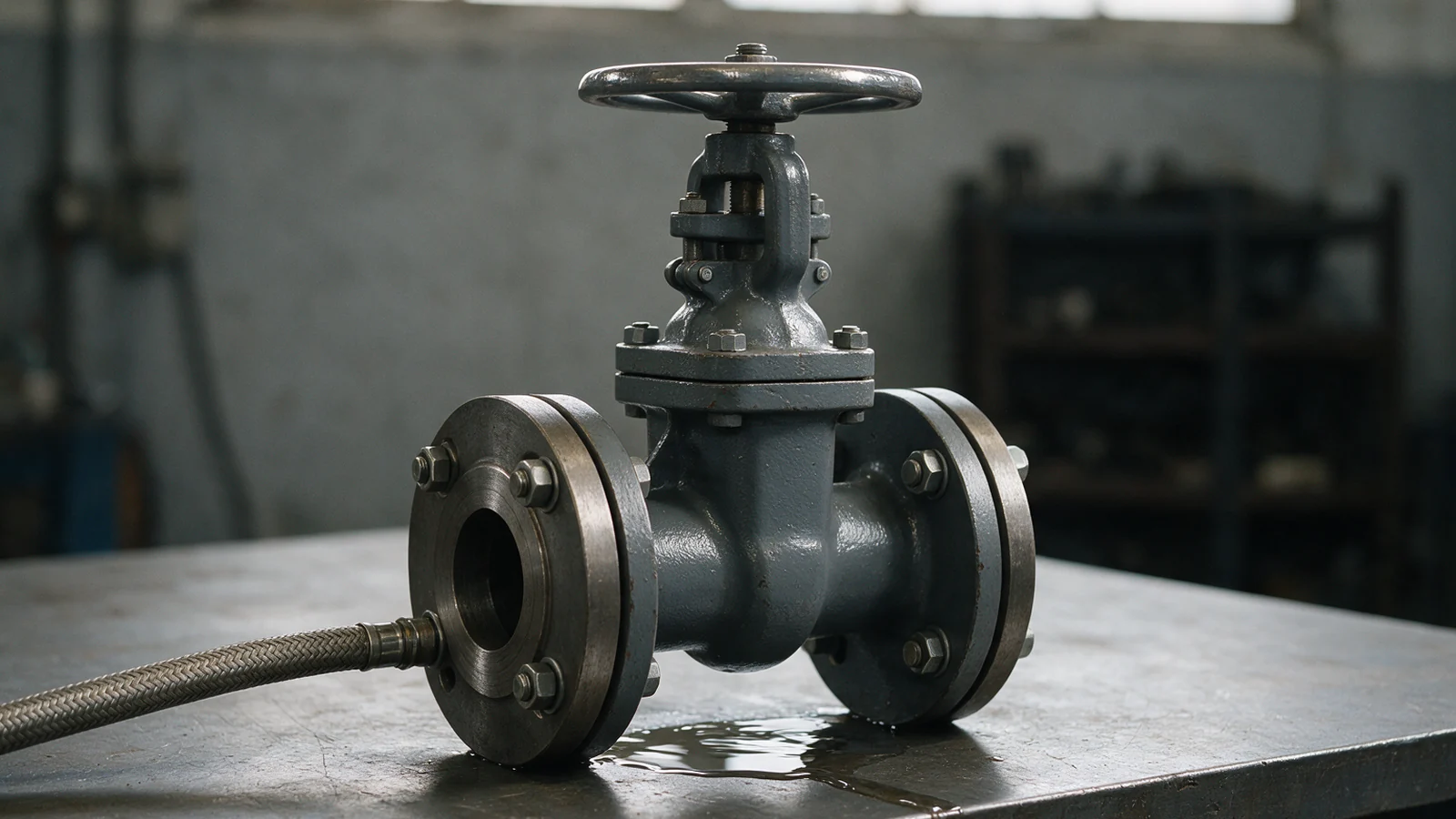
EN 12266-1 Valve Pressure Testing Explained: What It Covers
EN 12266-1 explained: what the metallic valve pressure test standard covers, why safety valves and plastic valves sit outside it, and which edition applies.
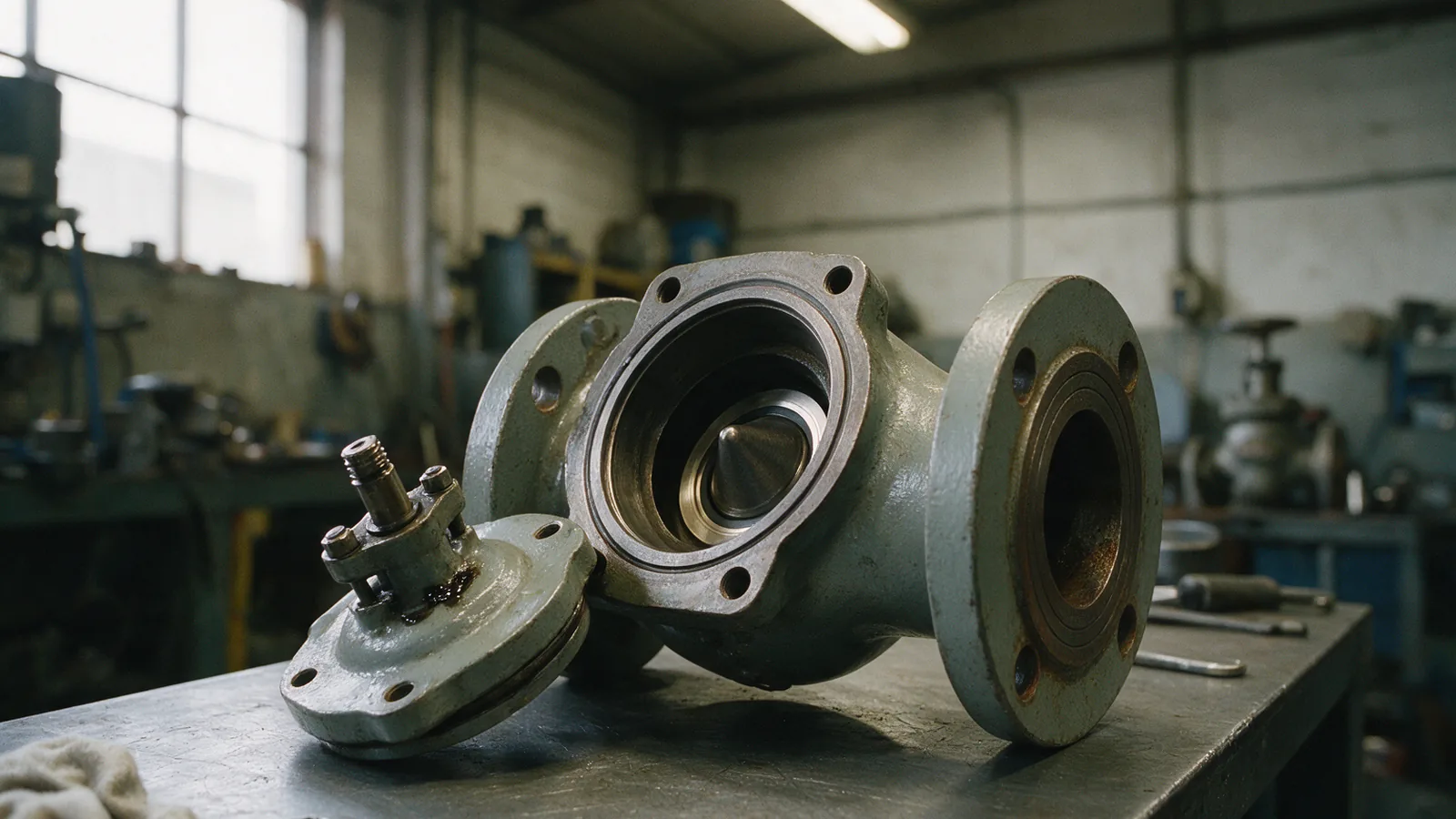
Control Valve Seat Leakage Classes Explained: What ANSI/FCI 70-2 Rates
A control valve seat leakage class is a production-test rating under ANSI/FCI 70-2. What it covers, what IEC 60534-4 adds, and why it is the wrong thing to quote on an isolation valve.
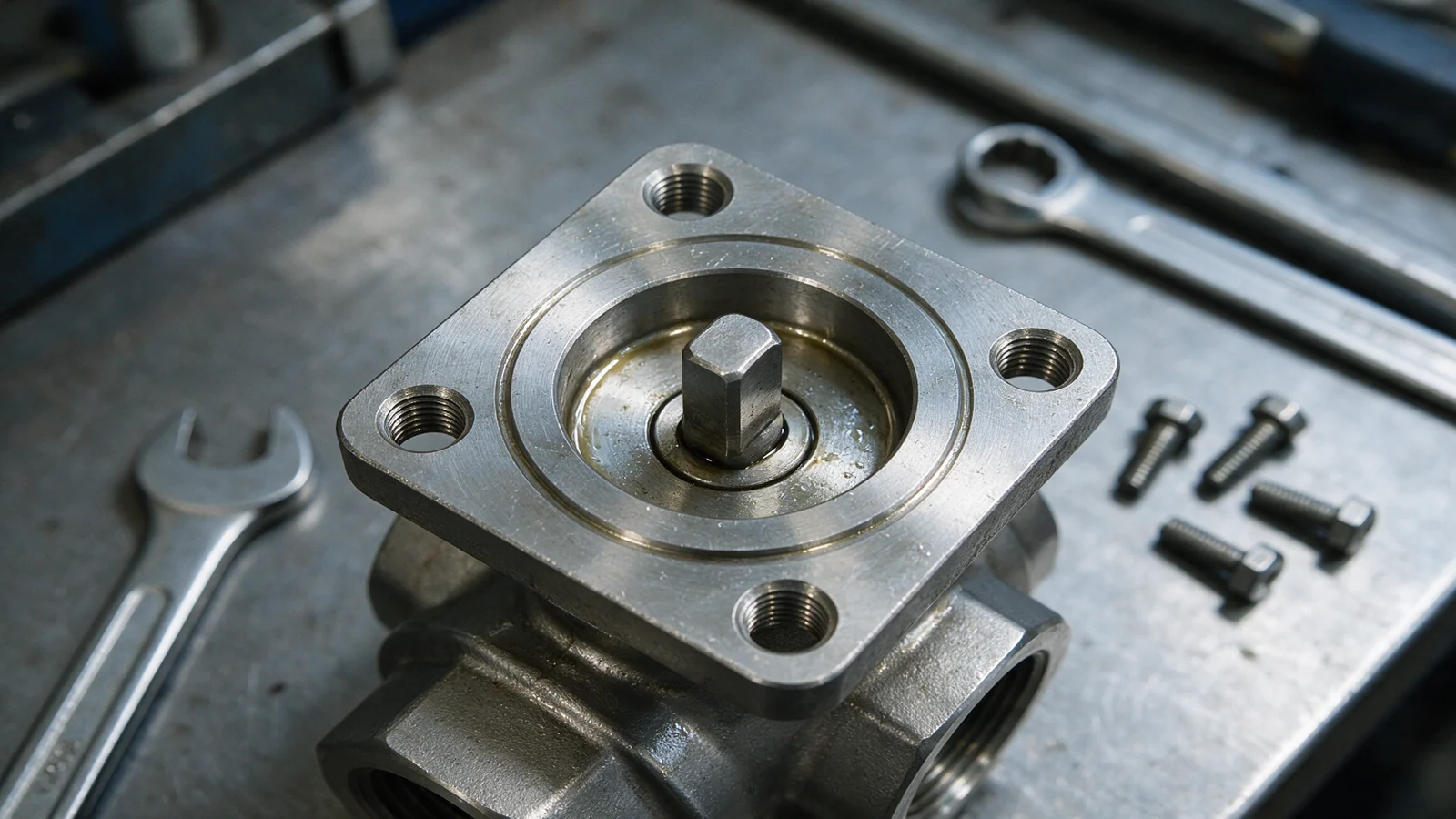
ISO 5211 Actuator Mounting Pads Explained: What the F Number Fixes
ISO 5211 in plain terms: what the F number on an actuator mounting pad fixes, why a matching pad can still fail, and what an actuated-valve enquiry should state.
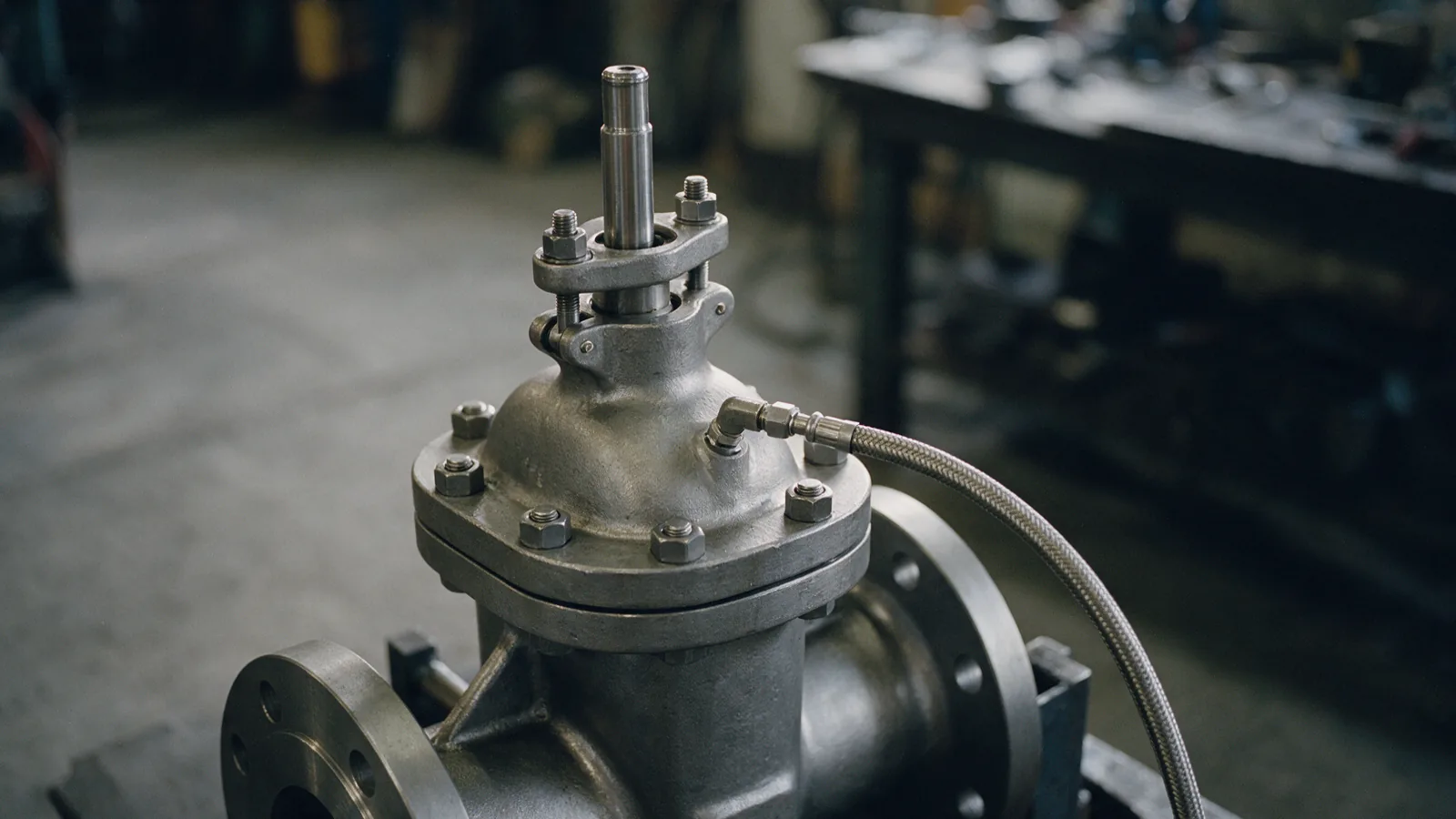
ISO 15848-1 Fugitive Emission Classes for Valves Explained
ISO 15848-1 fugitive emission classes explained: tightness AH to CH, endurance CO and CC cycles, temperature, API 624 and 641, and what an order states.
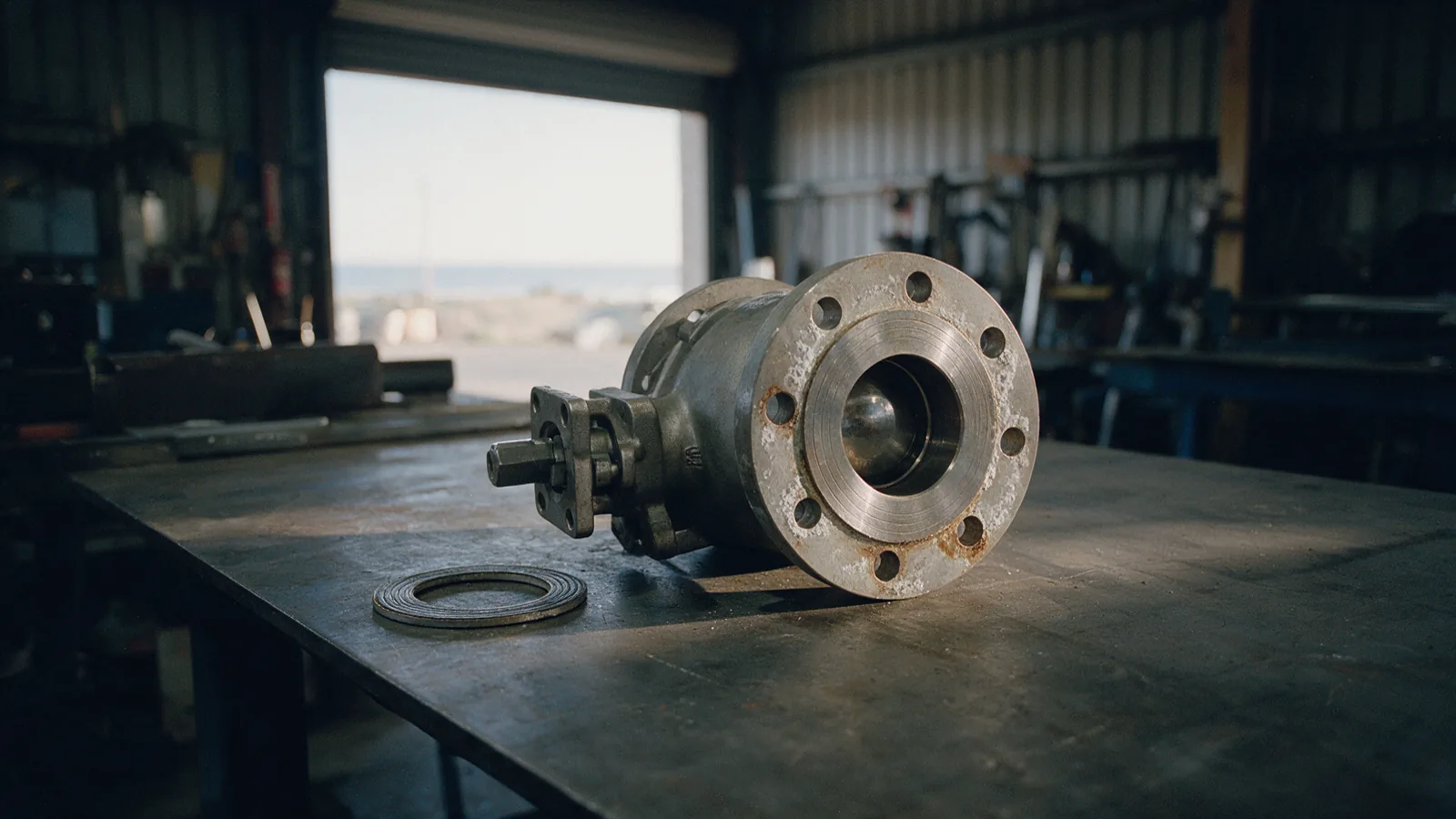
Super Duplex Valve Materials for Seawater: UNS S32760 (F55)
Super duplex UNS S32760 (F55, EN 1.4501) for seawater valves: PREN, critical pitting temperature, strength and what a purchase order should name.
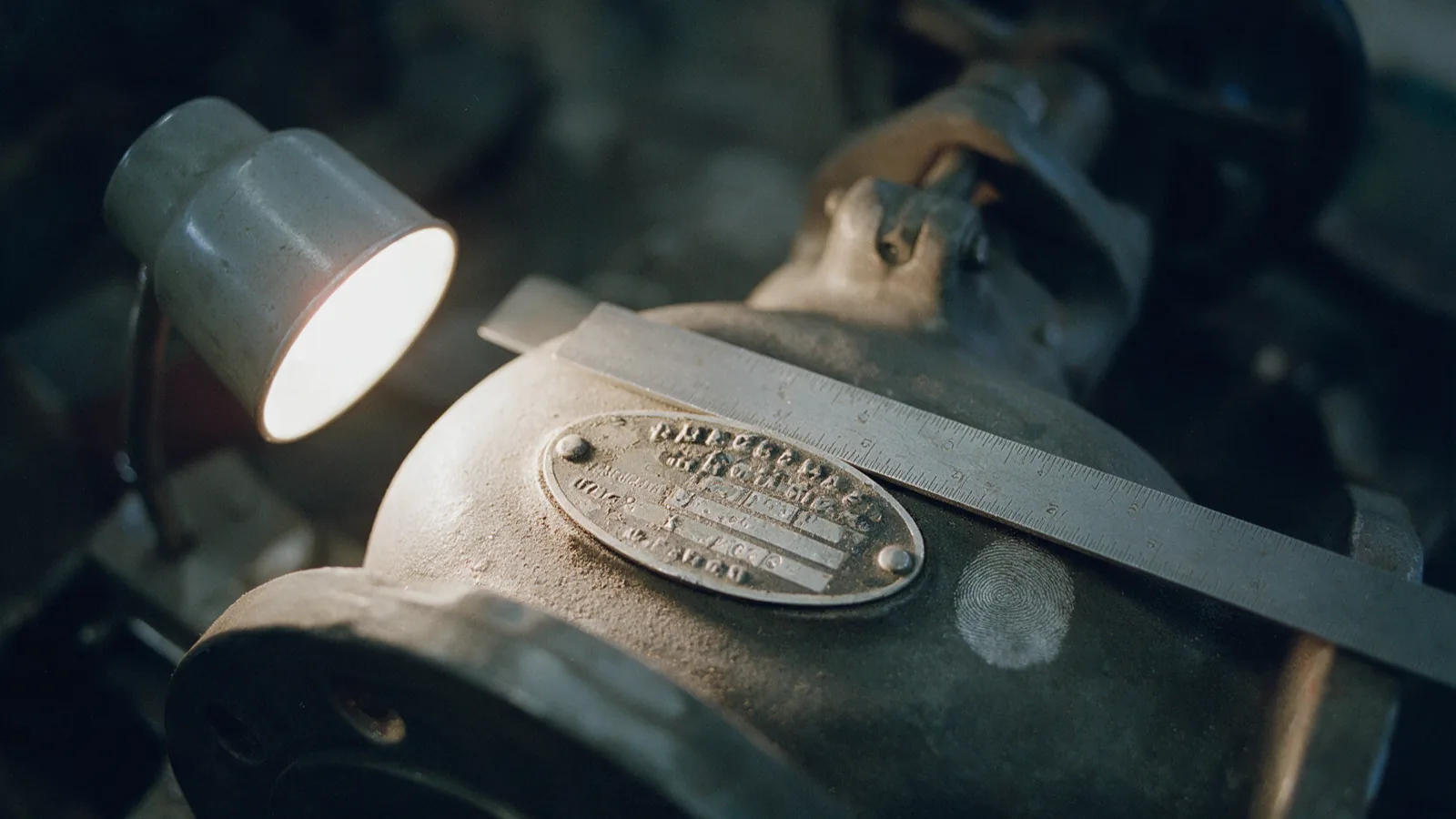
ASME B16.34 Pressure–Temperature Ratings Explained: Class 150 to 2500, by Material Group
How ASME B16.34 pressure-temperature ratings work: why a class number is not a pressure, how material groups change the curve, and how to read the table.
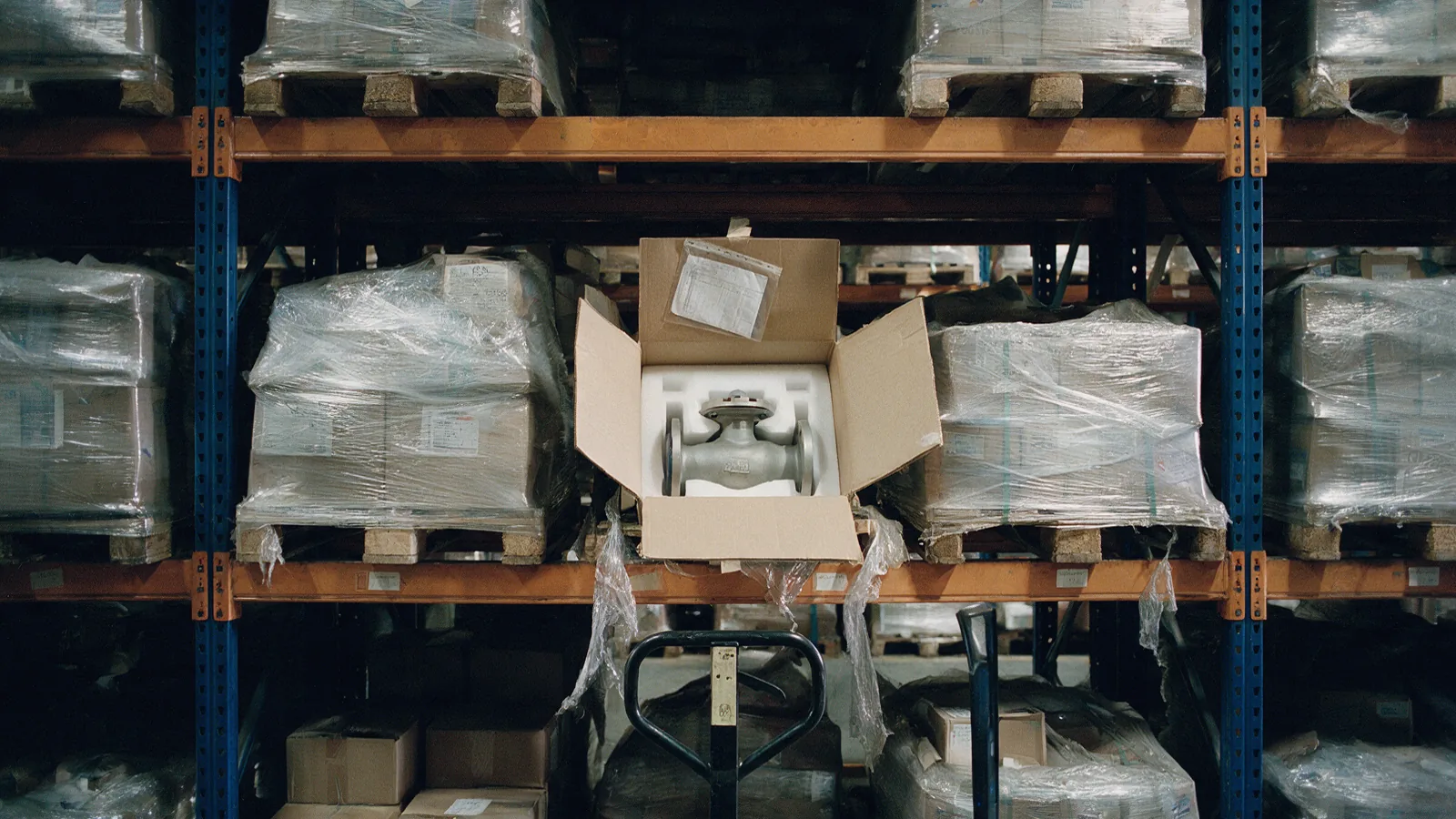
Choosing a Valve Supplier in Dubai: Questions to Ask Before the Purchase Order
Choosing a valve supplier in Dubai: the six questions to ask before the purchase order, why each one matters, and what a competent answer actually sounds like.
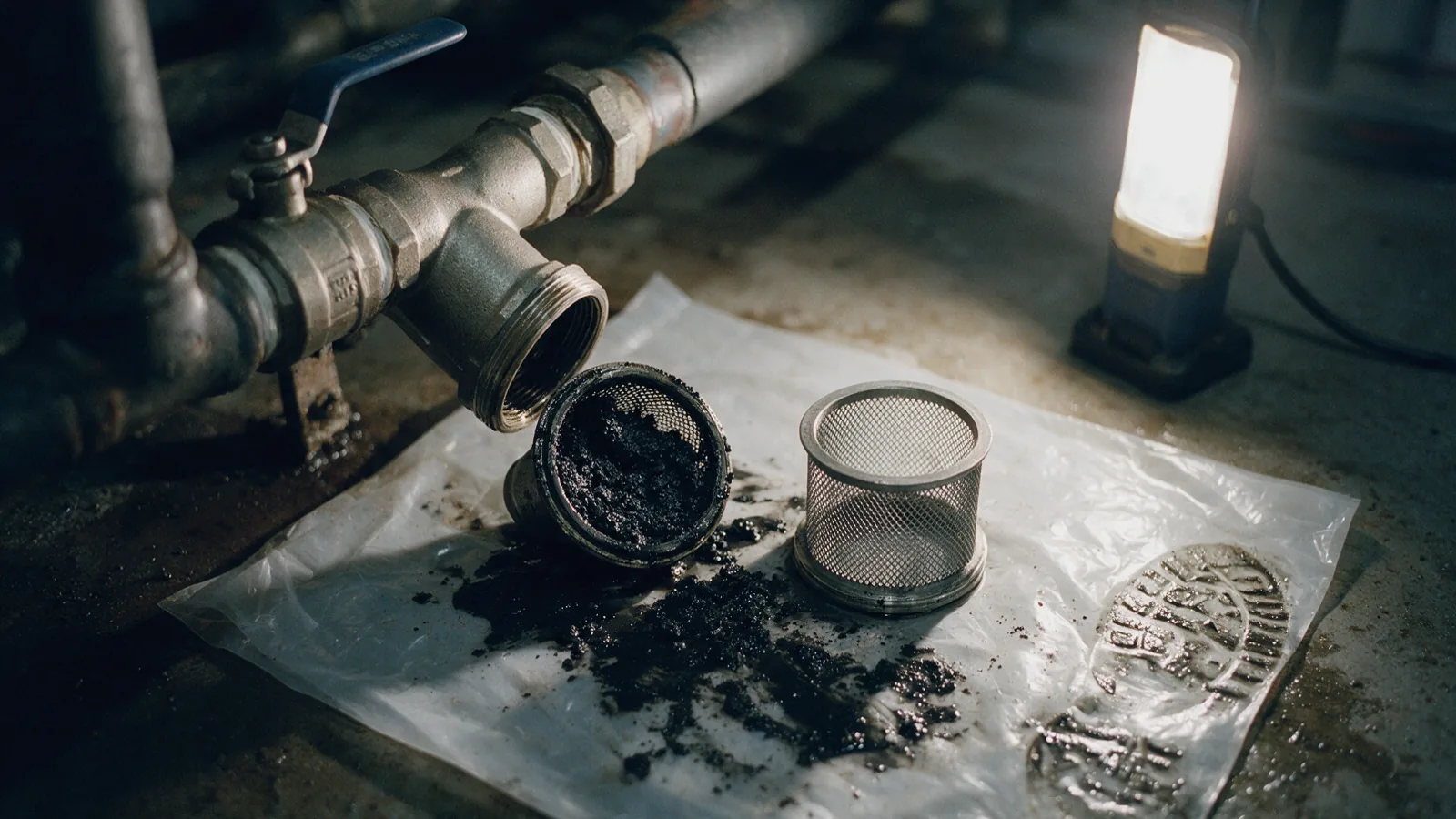
District-Cooling Valves in the Gulf: What High ΔT, 24/7 Load and Dirty Loops Change
What year-round load, high-rise differential pressure, tariff-linked ΔT and unflushed loops change about district-cooling valve selection in Dubai and the Gulf.
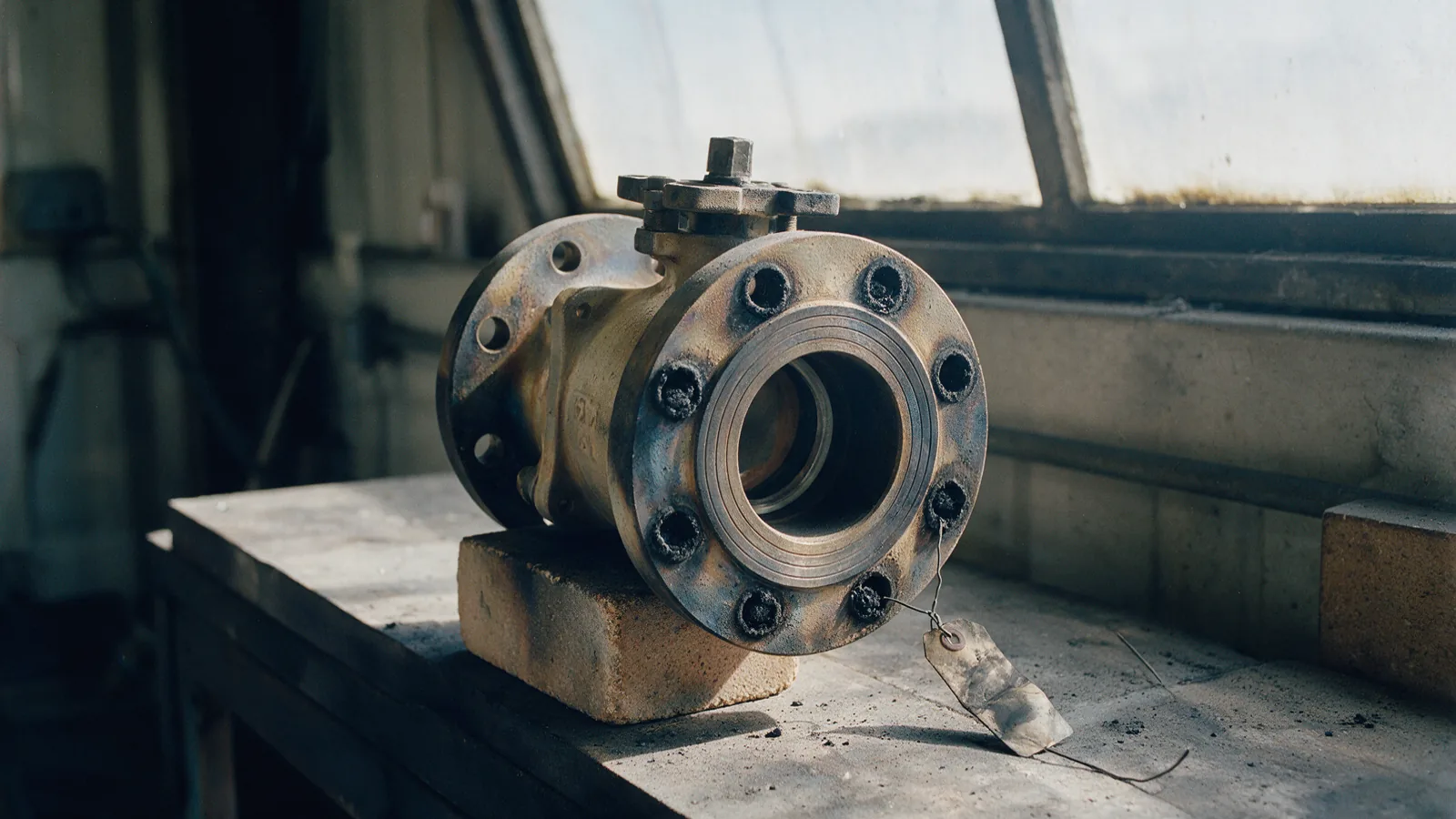
Fire-Safe Valves: API 607 vs API 6FA, and When a Specification Needs Them
API 607 vs API 6FA fire type-tests: what each covers, which valve families they qualify, when a specification needs one, and how to read the certificate.
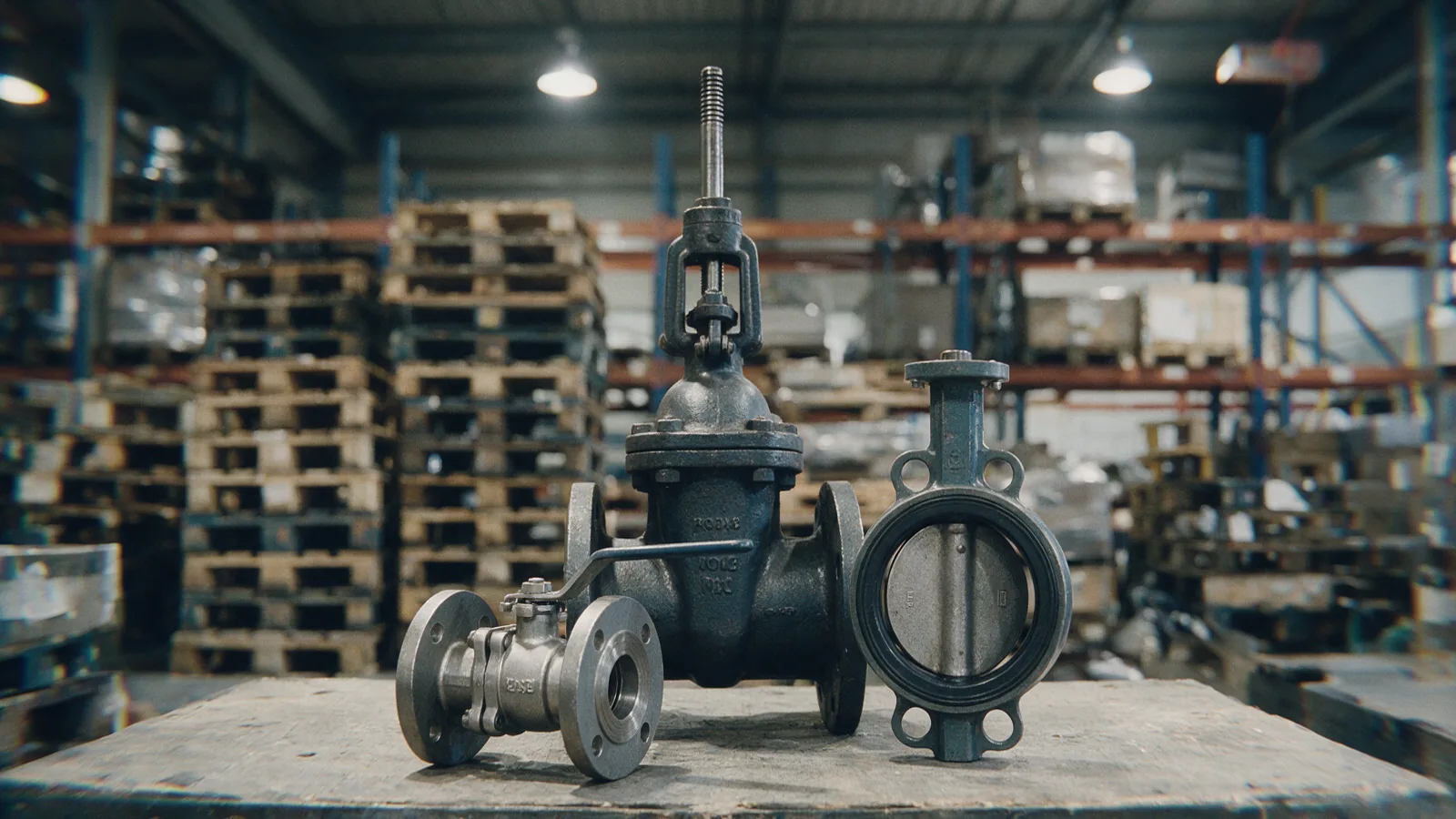
Gate, Ball or Butterfly? Isolation Valves Compared for Size, Cost and Duty
Gate, ball or butterfly for isolation? Compared on size, torque, body cavity, pressure drop, fire testing and actuation, with a worked DN 150 example.
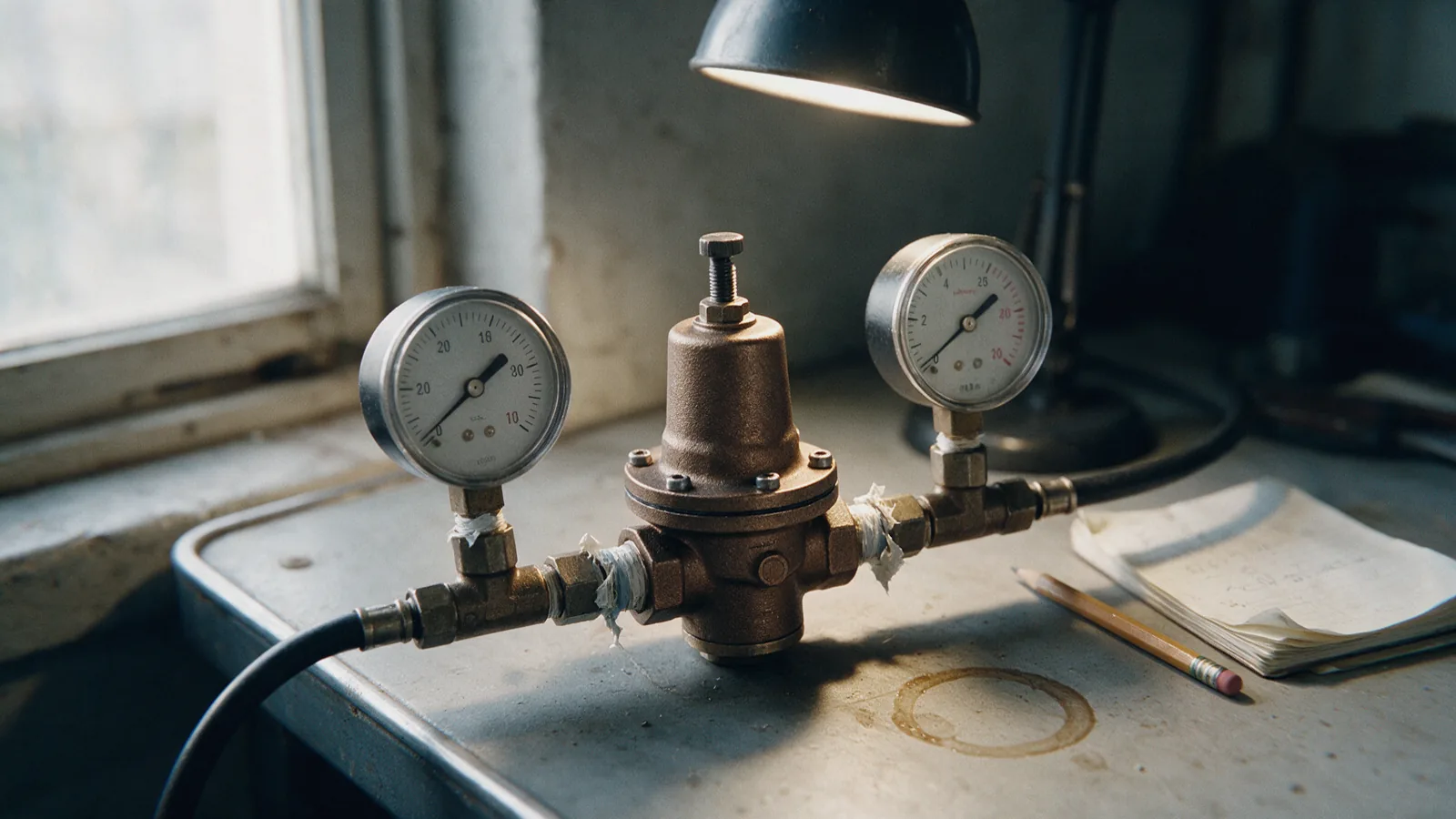
How to Size a Pressure-Reducing Valve for Steam and Water
Size a pressure-reducing valve on flow, not pipe size: Kv for water, critical pressure drop for steam, turndown, noise limits and the safety valve behind it.
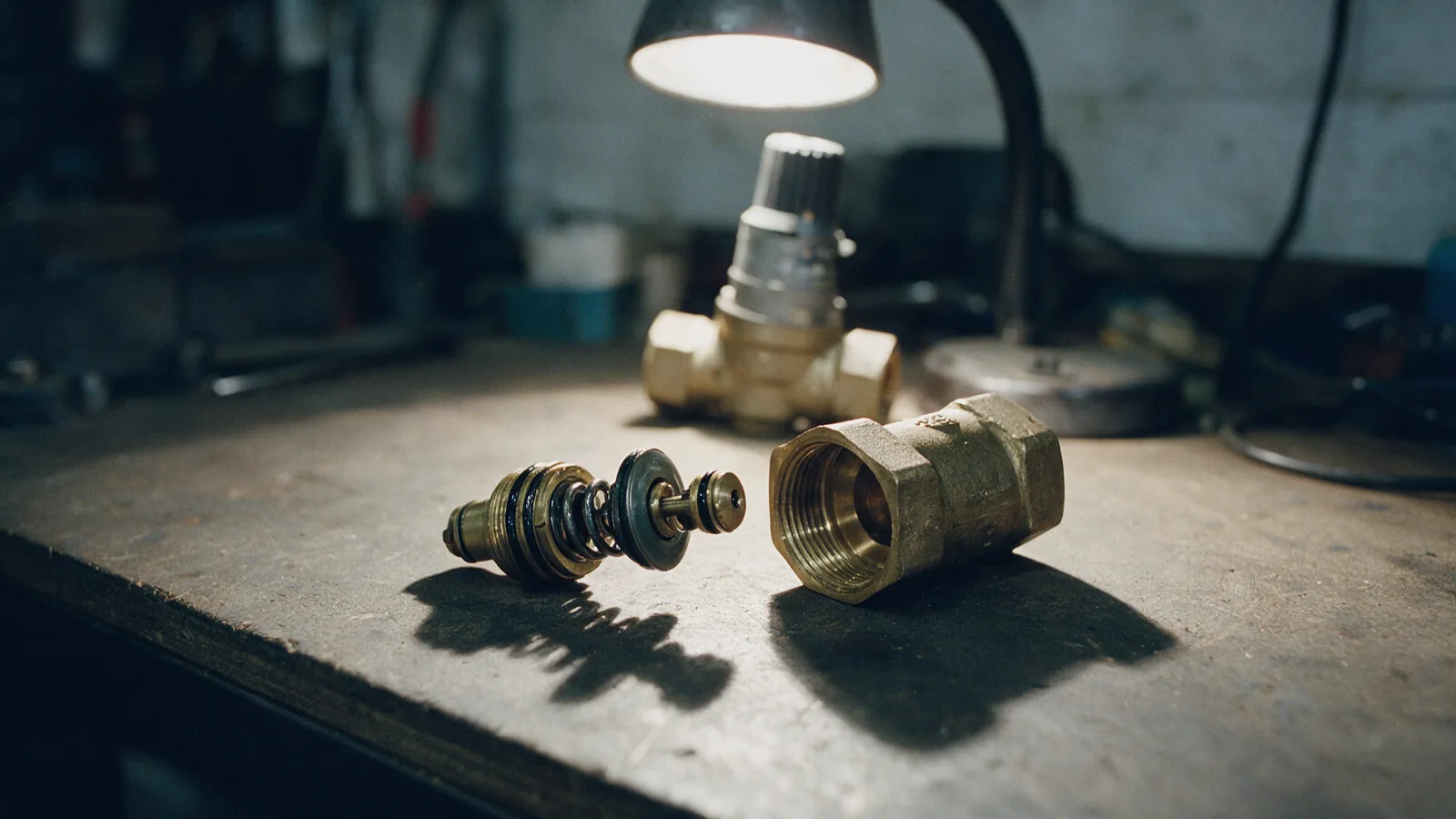
PICV or Balancing Valve? Choosing Flow Control for Chilled-Water Terminals
When a pressure-independent control valve beats a static balancing valve on chilled-water terminals, and when it does not: the DP window, dirt, authority, cost.
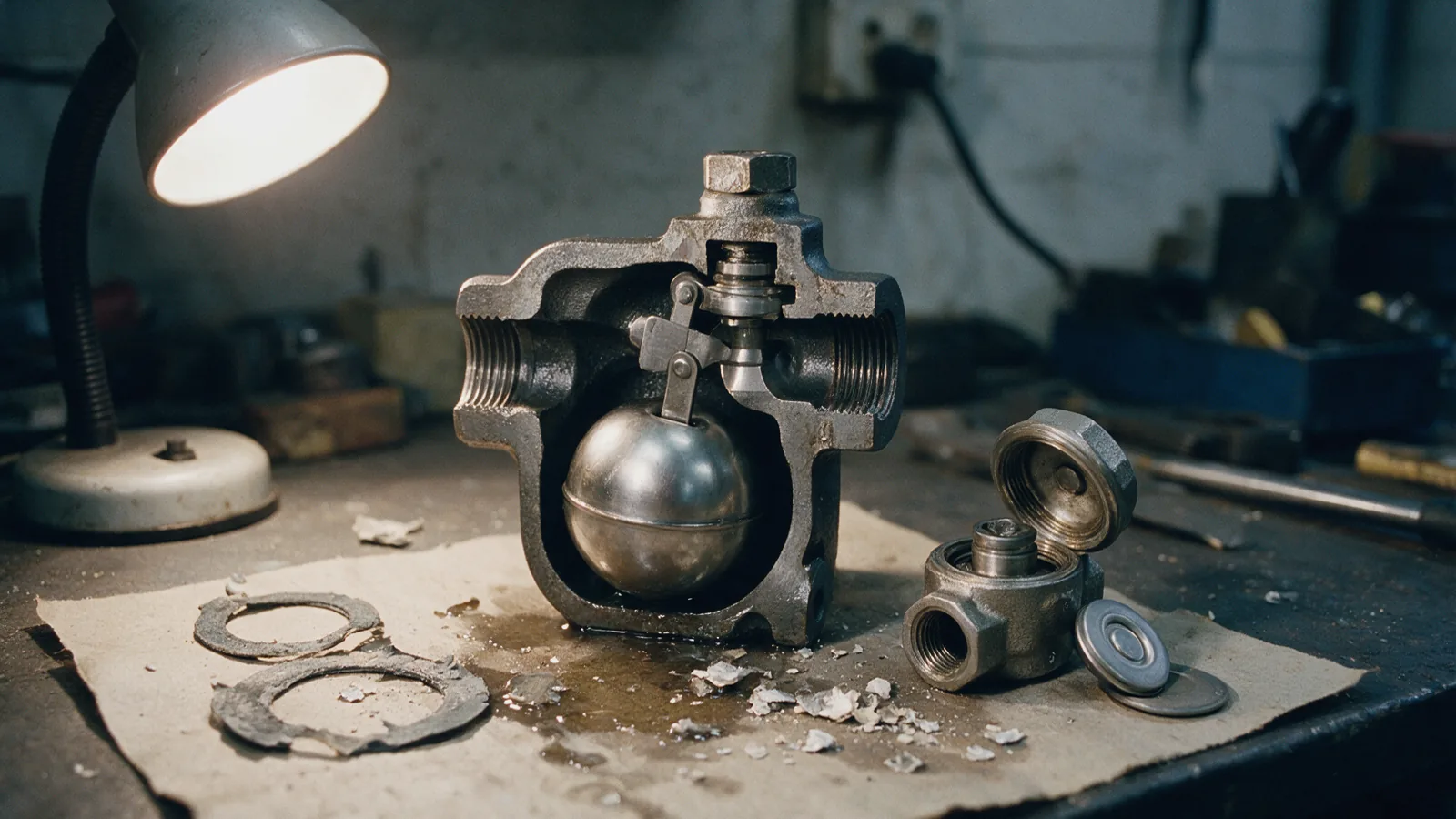
Steam Trap Selection by Application: Thermodynamic, Float, Thermostatic
Selecting a steam trap by application: thermodynamic, float, inverted bucket and thermostatic traps compared by duty, failure mode and differential pressure.
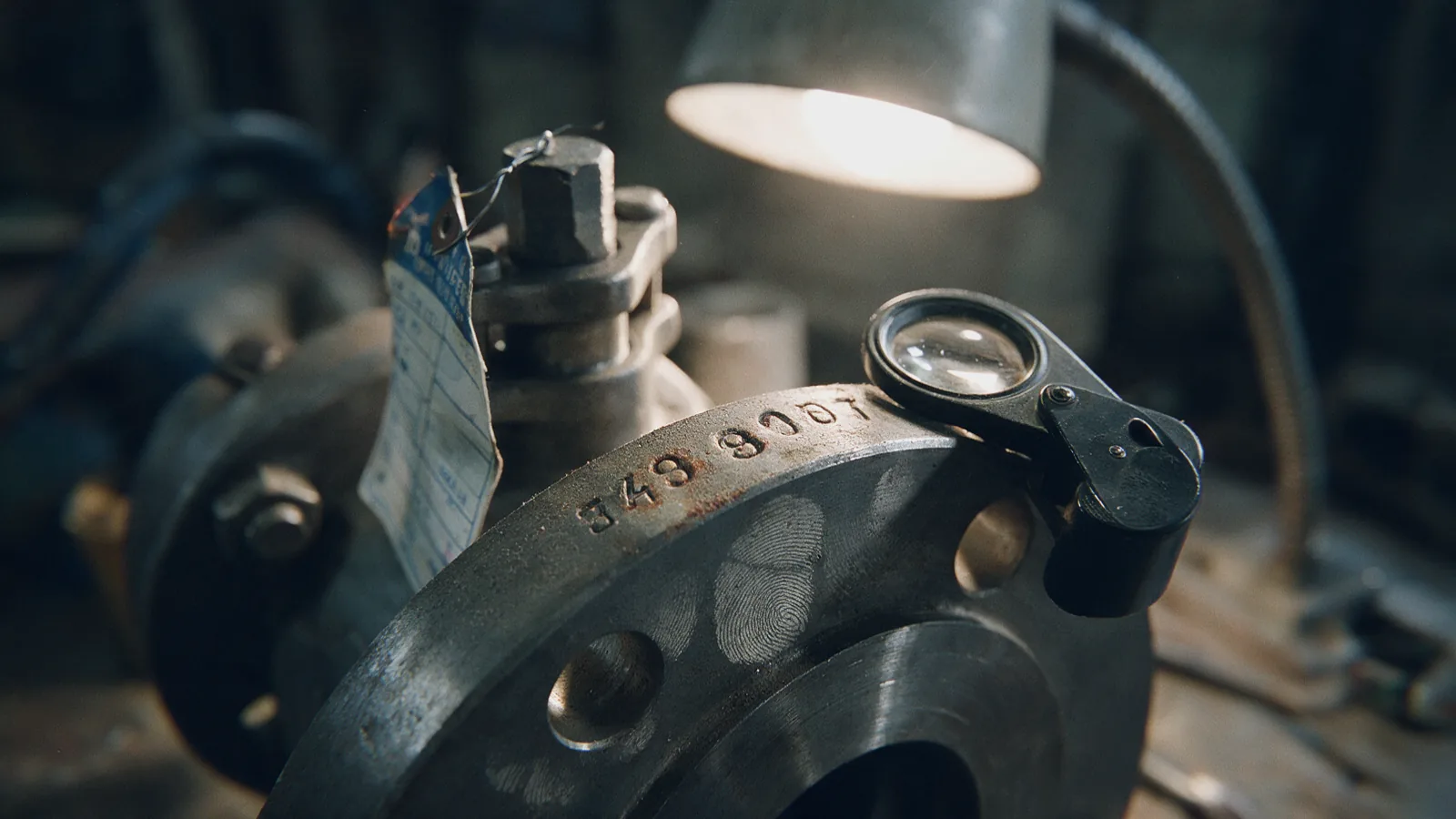
Valve Documentation a Buyer Should Demand: EN 10204 3.1, Test Reports and the API Monogram
EN 10204 2.1 to 3.2, API 598 test reports, fire-safe certificates and the API monogram: what each valve document proves, and what it quietly does not.
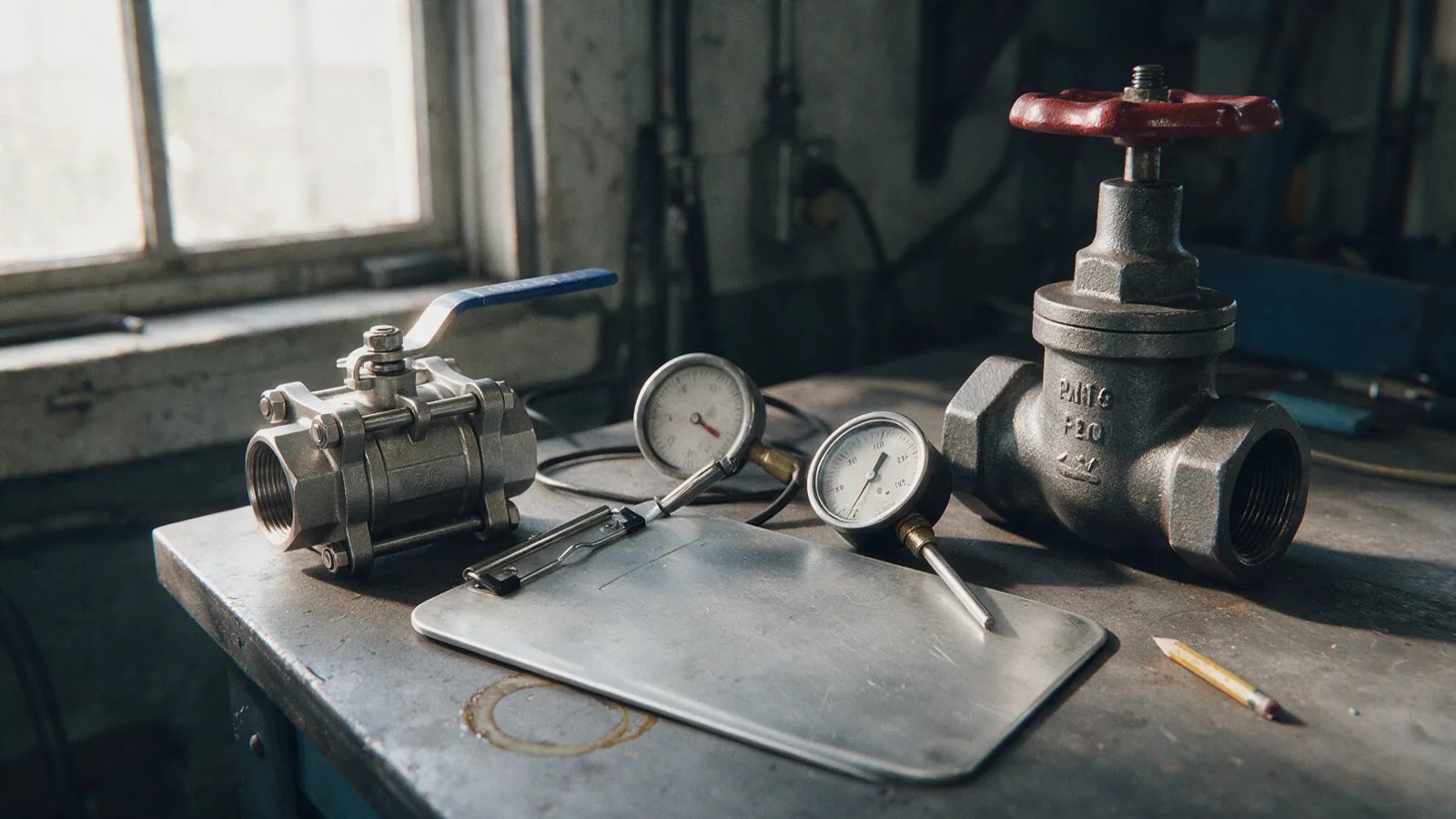
Which Valve Does This Service Actually Need? Selection by Medium, Pressure and Temperature
Choose a valve from the service condition, not the catalogue: how medium, design pressure, temperature, size and duty fix the type, class and material.
The reference layer
Two pages the guides lean on. The glossary says what each standard fixes; the FAQ answers what recurs in enquiries.
Valve & standards glossary
ASME B16.34, API 598, ISO 5208, EN 10204 3.1 and the rest. Each term defined by what the document fixes.
Reference · A to Z FAQFrequently asked questions
Selection, ratings, documentation and how an enquiry is answered, grouped by the same four sections as this library.
Reference · by sectionEnquiry Dubai
Tell us the service condition.
Medium, pressure, temperature, size. Price, lead time and availability are confirmed per enquiry.
Send an enquiry